The Modern Bedroom: Innovations and Trends in Furniture Design
The furniture industry is constantly evolving, and one of the most dynamic areas of growth is bedroom furniture. Consumers today demand more than just functional pieces—they want comfort, style, and innovation that enhances their daily lives. Central to this evolution is the mattress, a critical component of sleep and wellness that has seen remarkable technological and design advancements in recent years. Understanding the trends and innovations surrounding mattresses provides insight into how the furniture industry is shaping modern homes.
The Importance of a Quality Mattress
Health and Sleep
A mattress is far more than just a place to lie down. It directly impacts posture, spinal alignment, and overall health. Poor mattress support can lead to back pain, restless nights, and long-term musculoskeletal issues. Conversely, a well-designed mattress can promote restorative sleep, which is essential for mental focus, emotional balance, and physical well-being.
Consumer Awareness
Today’s buyers are more informed than ever. Research shows that people are willing to invest in quality mattresses because they recognize the connection between sleep and overall health. This shift in consumer mindset has driven innovation in mattress design, materials, and functionality, making it a cornerstone of modern bedroom furniture.
Innovations in Mattress Technology
Memory Foam and Gel-Infused Mattresses
Memory foam has transformed how we think about comfort. Unlike traditional innerspring mattresses, memory foam contours to the body, distributing weight evenly and reducing pressure points. Gel-infused memory foam goes a step further by regulating temperature, ensuring that sleepers remain cool and comfortable throughout the night.
Adjustable and Smart Mattresses
Technology has also made its way into mattresses through adjustable and smart models. These beds can modify firmness levels, track sleep patterns, and even adjust based on body movement. Integration with apps allows users to monitor mattress sleep quality and receive personalized recommendations, creating a seamless connection between furniture and wellness.
See also: Can Robot Vacuums Reduce Allergens from Pet Hair?
Eco-Friendly and Sustainable Options
Sustainability has become a major factor in mattress design. Consumers increasingly prefer products made from organic or recycled materials, free from harmful chemicals. Manufacturers are responding with eco-friendly foams, natural latex, and breathable fabrics, combining comfort with environmental responsibility.
Choosing the Right Mattress
Understanding Individual Needs
Selecting a mattress requires consideration of personal sleep preferences, body type, and any medical conditions. Side sleepers may prefer softer mattresses to cushion hips and shoulders, while back sleepers often benefit from firmer support to maintain spinal alignment. Understanding these differences ensures the chosen mattress provides optimal comfort and health benefits.
Testing and Experience
Many consumers prefer to test mattresses in-store to feel the support and firmness firsthand. Lying on a mattress for several minutes allows users to assess pressure points and comfort. Online reviews, product specifications, and sleep trial programs complement in-store testing, offering a comprehensive approach to decision-making.
Mattress and Bedroom Design
Aesthetic Integration
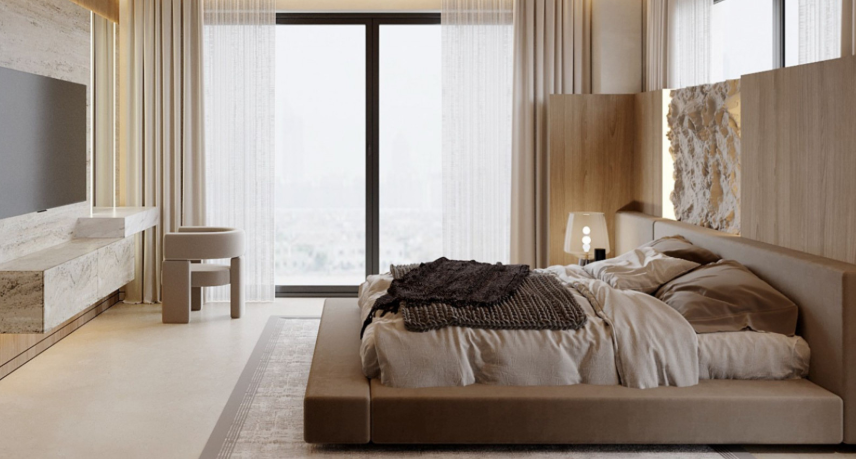
A mattress is more than a functional piece; it contributes to the room’s overall design. Modern mattresses come in various sizes, fabrics, and colors, allowing them to complement diverse interior styles. Pairing a high-quality mattress with a well-designed bed frame, nightstands, and lighting creates a cohesive, inviting bedroom environment.
Storage Solutions
Innovative bed frames with built-in storage have become increasingly popular. These designs maximize space without compromising comfort. A mattress placed on a platform with drawers or compartments offers practical benefits, particularly in smaller homes, while maintaining a stylish appearance.
The Future of Mattress Design
Personalized Sleep Experiences
The future of mattresses points toward personalized sleep experiences. Advanced sensors and smart technologies are enabling mattresses to respond dynamically to body weight, movement, and temperature. These systems provide individualized support, helping users wake refreshed and reducing sleep disturbances.
Integration with Smart Homes
As homes become more connected, mattresses are likely to integrate with other smart devices. Imagine a mattress that communicates with lighting, climate control, and sound systems to create an optimized sleep environment. This integration represents the next frontier in furniture design, blending comfort, technology, and convenience seamlessly.
Sustainability and Innovation
Sustainable practices will continue to shape the mattress industry. Innovations in biodegradable materials, recyclable components, and energy-efficient production methods are expected to redefine standards. Consumers increasingly demand furniture that not only serves their needs but also aligns with their values regarding environmental responsibility.
Tips for Maintaining Your Mattress
Regular Cleaning
Maintaining a mattress extends its lifespan and preserves hygiene. Regular vacuuming, spot cleaning, and the use of mattress protectors help prevent dust, allergens, and moisture accumulation.
Rotating and Flipping
Depending on the mattress type, rotating or flipping it periodically ensures even wear and maintains optimal support. This simple step can prevent sagging and prolong comfort for years.
Awareness of Lifespan
Most mattresses have a lifespan of seven to ten years. Recognizing when a mattress no longer provides adequate support is essential for health and sleep quality. Investing in a new mattress when needed ensures ongoing comfort and wellness.
Conclusion
The mattress is more than just a piece of furniture—it is a vital component of health, comfort, and modern lifestyle. Technological innovations, sustainable materials, and design improvements have transformed how consumers perceive and interact with mattresses. The rise of memory foam, adjustable beds, smart mattresses, and eco-friendly materials reflects a broader trend in the furniture industry: the integration of functionality, aesthetics, and wellness.
As consumer awareness continues to grow, the mattress will remain a focal point of bedroom design, representing the intersection of comfort, innovation, and health. Choosing the right mattress requires careful consideration of personal needs, lifestyle, and room design. Ultimately, investing in a quality mattress is an investment in well-being, ensuring that the bedroom remains a sanctuary for rest, relaxation, and rejuvenation.
From sustainable materials to high-tech smart beds, the evolution of the mattress exemplifies the broader trends in the furniture industry. It shows how traditional products can adapt to modern expectations, combining technology, design, and function to meet the needs of today’s discerning consumers. In a world where sleep quality is increasingly recognized as essential for health, the mattress stands as both a symbol and a solution for better living.