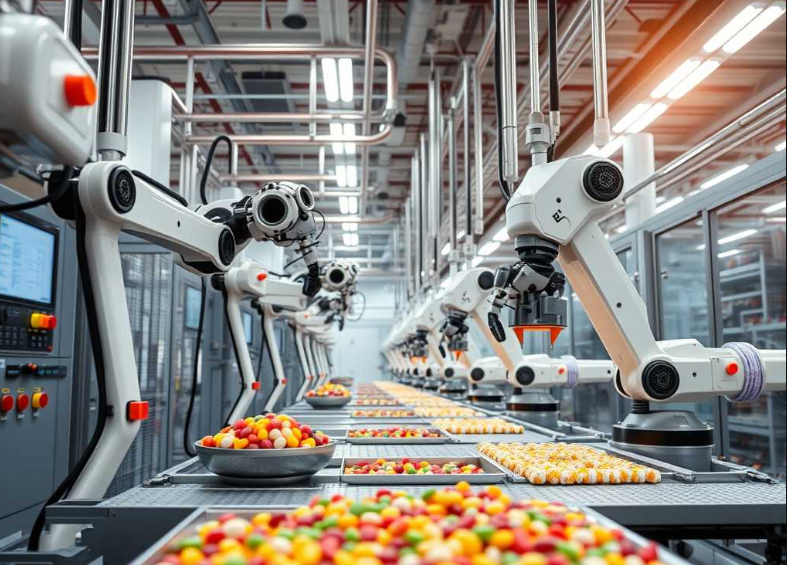
Optimizing Production Efficiency in Confectionery
Introduction
In the confectionery industry, maintaining product quality while maximizing production efficiency is crucial. Innovative solutions can help manufacturers reduce waste, enhance consistency, and improve overall profitability. chocolate pigging is a technique that enables efficient handling and transfer of chocolate through pipelines, ensuring minimal loss and contamination. This article explores the benefits, applications, and best practices for implementing chocolate pigging in production lines.
Understanding Chocolate Pigging
Chocolate pigging refers to the process of using a pig—a specially designed tool—to move chocolate through pipelines, ensuring complete recovery and minimal residue. This method allows manufacturers to transport high-value chocolate efficiently, maintaining its quality and consistency.
Key Components of a Pigging System
- Pigs: Foam, polyurethane, or custom-designed pigs suitable for the viscosity and temperature of chocolate.
- Launchers and Receivers: Devices that facilitate smooth insertion and retrieval of pigs from pipelines.
- Control Systems: Automated or semi-automated units to monitor pressure, flow, and pig movement.
See also: Advancements in Narrow Linewidth Laser Technology
Benefits of Chocolate Pigging
Reduced Product Waste
By effectively pushing residual chocolate through pipelines, chocolate pigging minimizes waste and maximizes product recovery.
Consistent Quality
Maintains uniform texture and flavor by preventing chocolate from stagnating or degrading in pipelines.
Hygienic Processing
Ensures that chocolate pigging is transported in a sanitary manner, reducing the risk of contamination.
Improved Efficiency
Reduces downtime for pipeline cleaning, allowing faster changeovers and higher production throughput.
Applications in Confectionery
Chocolate Production Lines
- Facilitates transfer of molten chocolate between processing tanks and molding machines.
- Ensures minimal loss when switching between different chocolate formulations.
Coating Processes
- Allows smooth transport of chocolate for coating biscuits, nuts, or other confectionery items.
- Reduces cleaning time and prevents cross-contamination between batches.
Storage and Packaging
- Efficiently moves chocolate from holding tanks to packaging units.
- Maintains consistent temperature and flow properties, ensuring product quality.
Implementation Best Practices
Pipeline Design
- Ensure straight and smooth pipelines with minimal bends to optimize pig movement.
- Use materials compatible with chocolate to prevent sticking and maintain hygiene.
Pig Selection
- Choose pigs based on chocolate viscosity, temperature, and pipeline diameter.
- Consider custom pigs for specialized chocolate types or production requirements.
Operation and Training
- Train staff on correct pig insertion, retrieval, and monitoring procedures.
- Implement standard operating procedures for emergency situations.
Maintenance
- Conduct regular inspections of pigs, launchers, and receivers.
- Keep spare parts and cleaning tools available to minimize downtime.
- Monitor performance metrics to anticipate and prevent issues.
Economic Impact
- Cost Savings: Maximizing chocolate recovery reduces material costs.
- Productivity: Faster changeovers and reduced downtime increase throughput.
- Sustainability: Minimizes waste, contributing to environmentally responsible production.
Future Trends
- Automation: Integration of sensors and automated control systems to monitor pigging operations in real-time.
- Advanced Materials: Development of pigs that withstand higher temperatures and provide better seal properties.
- Smart Monitoring: Use of IoT devices to predict maintenance needs and optimize flow.
- Global Standards: Adoption of international hygiene and quality standards to ensure consistent production quality worldwide.
Conclusion
chocolate pigging is a strategic solution for confectionery manufacturers aiming to optimize production efficiency, maintain product quality, and reduce waste. By implementing proper pipeline design, selecting suitable pigs, and following best practices for operation and maintenance, manufacturers can achieve significant cost savings and operational improvements. Embracing technological advancements and automation further enhances these benefits, making chocolate pigging a valuable investment for modern production lines.