Why Your Charger Cable Keeps Breaking?
Every day, many of us struggle with charger cables that fray, bend, or stop working altogether. These small but essential tools connect our devices to power, and when they fail, they disrupt work, entertainment, and communication. Replacing cables frequently can be frustrating and costly, and understanding why they fail is key to preventing future issues. By taking a closer look at common causes and smart solutions, we can extend the life of our charging equipment. In this article, we will explore why charger cables break and how to protect them in everyday use.
Understanding Cable Failure Points
The Anatomy of a Cable Break
A typical charger cable consists of an inner core of conductive wires surrounded by insulation and an outer protective layer. The weakest points are usually at the ends where the cable meets the connector, as constant bending creates stress. Even high-quality cables are vulnerable if frequently pulled, twisted, or bent sharply. Understanding this anatomy helps in adopting habits that reduce stress on these areas. With careful handling, the inner wires remain intact, and the cable continues to function longer.
Most Common Breakage Locations and Causes
Breakage most often occurs near the connector or along areas that are repeatedly bent or compressed. This can happen when a cable is wrapped tightly around objects or coiled excessively. Pulling the cable out of a device by the cord rather than the connector adds strain and accelerates damage. Pets, furniture edges, and accidental tugs also contribute to fraying. Identifying these common failure points allows users to take preventative measures and avoid unnecessary replacements.
See also: How 5G Technology Will Transform Mobile Gaming
Daily Habits That Shorten Cable Life
Improper Wrapping and Storage Methods
Many people wrap cables tightly into loops or knot them when storing, which creates tension and weakens the internal wires over time. Leaving cables tangled in drawers or backpacks increases friction and stress. Rolling cables loosely or using cable organizers can significantly reduce wear and tear. It is also important to avoid sharp bends at any point along the cable. Proper storage habits ensure cables maintain their integrity and remain functional for longer periods.
Incorrect Insertion and Removal Techniques
Forcing connectors into ports at an angle or yanking cables out of devices damages both the cable and the port. Gently inserting and removing connectors straight and aligned with the port preserves the cable’s structure. Users often underestimate the impact of repeated stress over time, which leads to fraying at the connector base. Being mindful during daily charging routines prevents unnecessary damage. Training habits such as holding the connector instead of the cable help cables survive longer in active use.
Environmental Factors Affecting Cable Durability
Temperature extremes and exposure to moisture or dust can accelerate cable degradation. Excessive heat can soften insulation, while cold can make cables brittle and prone to cracks. Spills or damp environments may cause corrosion of the metal conductors inside. Even regular exposure to sunlight can weaken the outer layer. Keeping cables in moderate, dry, and clean environments is an easy step to prolong their lifespan.

Choosing the Right Cable for Your Needs
Material Quality and Certification Standards
Investing in cables with high-quality materials and proper certifications ensures both safety and durability. Certified cables meet specific electrical standards that prevent overheating and breakage. Look for reinforced connectors and braided exteriors, which can handle bending and tugging better than standard plastic-coated cables. While these cables may cost more upfront, they save money and frustration in the long run. Choosing the right cable also supports efficient and consistent charging for all your devices.
When to Consider Wireless Charging as an Alternative
Switching to wireless charging can reduce physical stress on cables, especially in busy households or offices. Using an Anker wireless charger provides reliable charging without repeatedly plugging and unplugging cables, which naturally extends their lifespan. Wireless solutions are particularly useful for smartphones, earbuds, and other devices that support the technology. This method is not only convenient but also protects delicate cable ends from wear. Incorporating wireless charging alongside cables offers a practical way to preserve both wired and wireless equipment.
Practical Solutions for Longer Cable Life
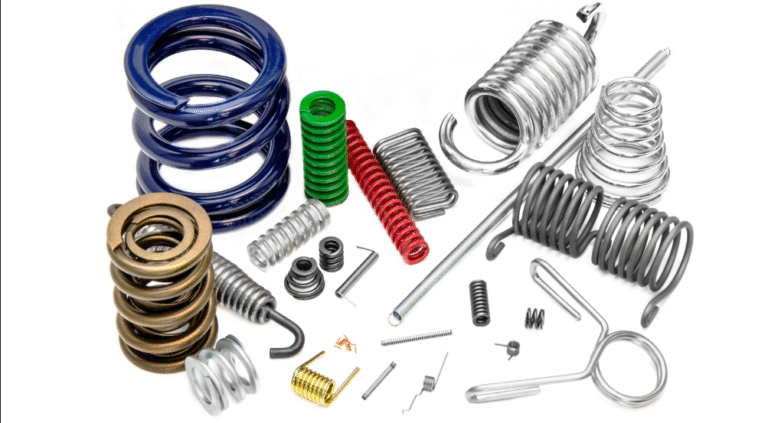
Using cable protectors or small spring reinforcements at the ends reduces bending stress. Regularly checking cables for early signs of wear, such as fraying or loose connectors, allows preemptive action before total failure. Labeling cables and assigning them to specific devices prevents excessive swapping that causes additional wear. Combining high-quality cables with gentle handling habits maximizes their life. Additionally, alternating between wired and wireless charging can reduce the strain on any single cable, further extending usability.
Conclusion
Broken cables are a common frustration, but many causes are preventable with small changes in habits and equipment choices. By understanding failure points, avoiding rough handling, storing cables properly, and considering wireless charging options like the Anker wireless charger, users can significantly extend cable life. High-quality cables combined with mindful usage create a smoother, more reliable charging experience. Taking proactive steps ensures that your devices remain powered efficiently without constant cable replacement.