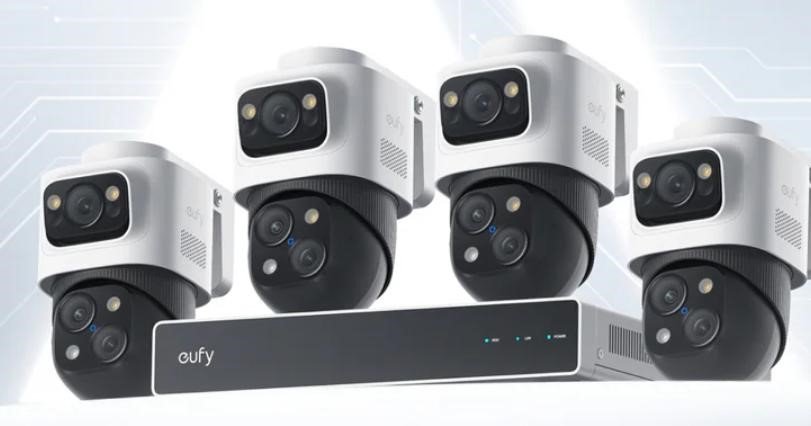
NVR vs DVR Camera Systems: Which Should You Choose?
Choosing between NVR and DVR camera systems involves understanding their core differences. NVR (Network Video Recorder) and DVR (Digital Video Recorder) systems are popular for video surveillance, each with unique advantages. NVR systems capture video in a digital format, which is ideal for IP cameras and offers more flexibility. On the other hand, DVRs are typically used with analog cameras and offer a more cost-effective solution. To make an informed decision for your home or business, it’s crucial to consider factors like video quality, installation needs, and additional features each system offers. Let’s delve into how these systems work and compare them to find which one suits your specific needs.
What is an NVR System and How Does It Work?
A Network Video Recorder (NVR) system records video data from IP cameras over a network. This system captures high-definition video and stores it digitally. IP cameras communicate with the NVR using a network connection, allowing for a less cluttered installation since these cameras can be powered by PoE (Power over Ethernet). NVR camera systems are known for their superior video quality, wireless capability, and advanced features like motion detection and facial recognition. The NVR processes video data directly from the camera’s digital feed, ensuring less signal degradation. This makes NVR systems a great choice for those prioritizing high-definition video and ease of use.
What is a DVR System and How Does It Work?
A Digital Video Recorder (DVR) system uses analog cameras connected via coaxial cables. These systems convert analog signals into a digital format for storage. DVR systems often require more complex wiring since each camera must be directly connected to the DVR, typically making installation more labor-intensive. While DVR systems may offer lower video quality compared to their NVR counterparts, they are known for being cost-effective, particularly if you have existing analog cameras. DVR systems generally don’t offer the same level of detail and features as NVRs, but they are reliable and sufficient for basic surveillance needs, especially in setups where analog infrastructure already exists.
Head-to-Head Comparison: NVR vs DVR
Comparing NVR and DVR systems requires looking at key factors such as camera type, installation, and functionality.
Camera Type & Video Quality
NVR systems use IP cameras capable of recording in high definition and beyond. They deliver superior video quality, as these cameras send digital signals directly to the recorder. DVR systems rely on analog cameras, which generally offer lower resolution due to the conversion from analog to digital. NVRs thus provide a clearer, more detailed image, making them ideal for areas requiring high-security oversight. DVRs, while cheaper, may not capture the same level of detail. When considering camera quality, your choice hinges on the significance of having high-resolution footage versus overall system cost.
Wiring and Installation Requirements
NVR systems simplify your setup with IP cameras connected through a network, often using a single Ethernet cable for power and data transmission. This ease of installation makes NVR attractive for new setups. Conversely, DVR systems need individual coaxial cables connected from each camera to the DVR, complicating installation due to the need for specific cable runs. NVRs provide more flexibility with camera placement because of network connectivity, while DVRs can be more cumbersome to arrange. Assessing installation complexity can guide your choice based on the layout and existing wiring of your premises.
Flexibility, Analytics & Smart Features
NVR systems outperform with advanced analytics and smart features like remote access, motion alerts, and integration with other smart devices. These features allow enhanced surveillance and comprehensive security solutions. With DVR systems, basic functionality is the norm, focusing on traditional recording without added frills. If analytics and smart capabilities are a priority, NVR systems clearly lead. DVR options, while lacking these innovations, serve adequately where advanced features aren’t crucial. Prioritizing your surveillance needs will determine which system’s features align best with your objectives for security and functionality.
Which System Should You Choose for Your Needs?
Choosing between NVR and DVR depends on specific surveillance needs, budget constraints, and preferences regarding tech integration.
Use Cases That Favor NVR Systems
NVR systems are perfect for modern surveillance needs demanding high video clarity and smart functionality. These systems thrive in environments with existing network infrastructure or new installations where minimal cabling is a priority. Businesses prioritizing comprehensive security with high-resolution streaming, smart analytics, and remote monitoring find NVRs indispensable. They’re also ideal in environments needing dynamic IP camera setups with extensive coverage and flexibility. If high detail in recordings and future-ready surveillance technology are your requirements, NVR systems likely present the best choice for both homes and businesses.
Use Cases That Favor DVR Systems
DVR systems are ideal for cost-conscious setups with existing analog infrastructure. These systems suit environments needing basic surveillance without the demand for high-definition video or smart features. Small businesses or homeowners looking to secure premises without significant investment can benefit from DVRs. DVR setups work well in linear layouts where coaxial cabling doesn’t pose installation challenges. With adequate functionality for less dynamic needs, DVR systems offer reliable security at a fraction of the cost, making them fitting for those prioritizing simplicity and budget.
Conclusion
Deciding between NVR and DVR camera systems should align with your specific security needs and infrastructure. NVR systems offer high video quality, flexible installations, and smart features, making them ideal for comprehensive security solutions. Conversely, DVR systems provide a more budget-friendly option for basic surveillance, especially in setups with existing analog equipment. Assess aspects like installation complexity, video resolution, and required analytics when choosing between the two. With this knowledge, you can make a well-informed decision that protects your home or business effectively.